Can Font License Non-Compliance Damage Your Brand?
A brand’s visual identity is often the very first impression it makes. From logos to websites, advertising campaigns to corporate presentations, fonts shape how your brand communicates. Yet, behind this powerful design element lies a critical issue many companies overlook: font license compliance.
Font licenses are not just a legal necessity; they are also a key factor in protecting your brand’s credibility, professionalism, and long-term sustainability. But what happens if your brand uses fonts without the correct license—or worse, without a license at all?
What Is a Font License and Why Does It Matter?
Many assume fonts are simply free design elements downloaded online. In reality, every typeface is a piece of intellectual property protected by copyright. Just like software or music, fonts require a proper license depending on how they’re used.
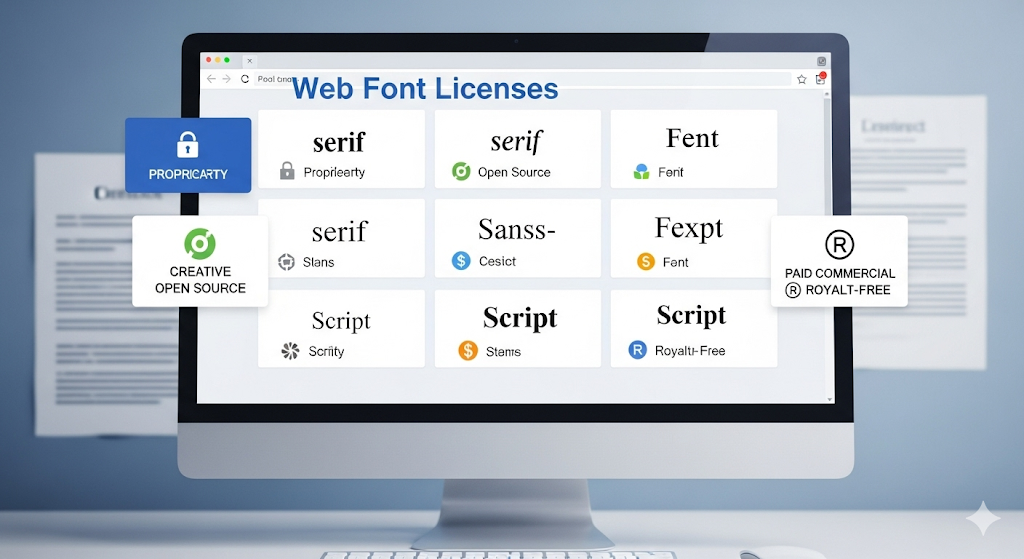
Here are the most common license types:
Desktop License: For printed materials, office documents, and presentations.
Web License: For embedding fonts into websites.
App License: For use in mobile applications, games, or software.
Enterprise License: For large-scale corporate usage across multiple departments.
Using a font with the wrong license—or no license at all—constitutes a copyright violation.
The Risks of Font License Non-Compliance
1. Legal Consequences
Using unlicensed fonts is treated much like using pirated software. Copyright owners can file lawsuits, resulting in costly legal settlements and reputational damage.
2. Damage to Brand Reputation
Strong brands pay attention to detail. When unlicensed font usage is exposed, it signals a lack of professionalism and undermines customer trust. This loss of credibility can harm long-term business relationships.
3. Unexpected Financial Losses
Beyond potential legal fees, brands may be forced to replace fonts immediately. This leads to unplanned expenses, from purchasing proper licenses to redesigning websites, marketing materials, and packaging.
4. Operational Disruptions
Changing fonts across a brand identity isn’t simple. It may require updating corporate guidelines, reprinting collateral, and redeveloping digital platforms—all of which slow down operations and add costs.
Who Is Responsible: Agency or Client?
One of the most common issues in font compliance is confusion around responsibility.
Agencies are often expected to deliver projects with properly licensed fonts.
Clients must ensure they hold the rights for long-term use, especially across multiple campaigns or platforms.
To avoid disputes, contracts should clearly define font licensing responsibilities from the outset.
How to Ensure Font License Compliance
Create a Font Inventory: Track all fonts used across your organization.
Keep License Records: Archive proof of purchase and license terms for every font.
Implement Internal Controls: Restrict usage of non-licensed or unauthorized fonts.
Use Professional Tools: Solutions like FontChecker help monitor and verify compliance across teams.
A Small Oversight, A Big Risk
Font license non-compliance may seem like a minor detail, but it can expose your brand to significant legal, financial, and reputational risks.
Ultimately, proper font licensing is not just about avoiding lawsuits—it’s about safeguarding your brand’s credibility and professionalism.